

Abnormal heatwaves and prolonged droughts across Europe are causing major river levels to plummet, exposing artifacts that have remained hidden for decades or even centuries. Along with shipwrecks and unexploded ordnance from World War II, riverbeds are revealing "hunger stones" (Hungerstein)—boulders etched with messages warning of hard times to come.
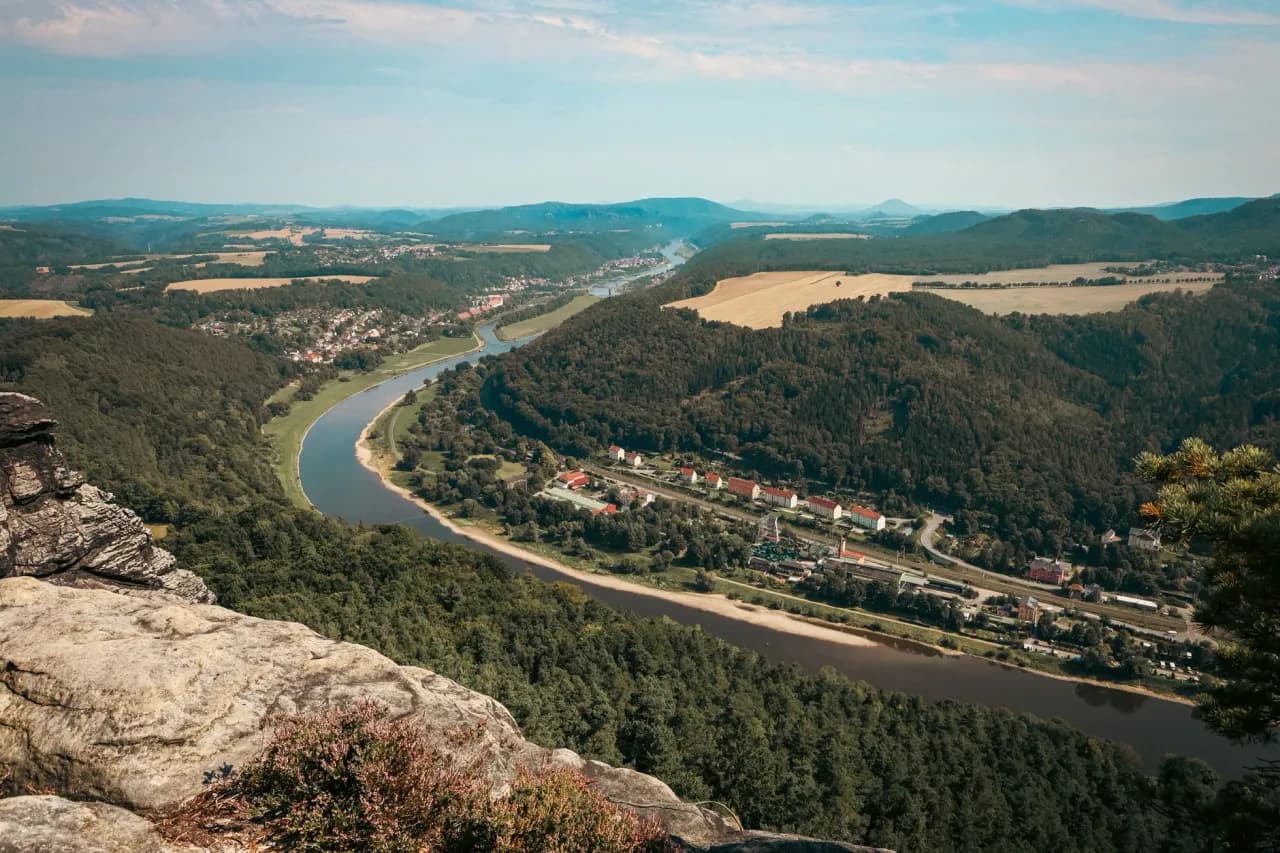
One of the most famous of these objects is located in the Czech Republic on the Elbe River, near the town of Děčín. It bears a grim inscription in German: "Wenn du mich siehst, dann weine" ("If you see me, weep"). Historically, these stones served as hydrological indicators: when water levels dropped enough to expose the boulders, it signaled severe hardship for local populations, including disruptions to shipping, fish shortages, crop failures, and soaring grain prices.
More than just a warning
A 2020 study published in the journal Climate of the Past confirmed that the inscriptions on these stones accurately correspond to historical periods of extreme low water. Researchers concluded that many of the markings, dating back to the 16th century, were originally intended to record water levels rather than simply commemorate years of famine.
The history of the Děčín stone itself is more complex than it first appears. In his 2019 research, Bernd Gross noted that the famous 1904 inscription was likely inspired by older carvings. For instance, in the 1890s, a stone near the village of Těchlovice featured the message: "We cried—we are crying—and you will cry."
According to Gross, the popular inscription on the Děčín stone was carved on July 18, 1904, at the behest of local innkeeper and boatman Franz Mayer. At the time, the discovery of the "hunger stone" caused a sensation; thousands of people flocked to see it, and postcards featuring the stone were distributed far beyond the region.
Preserving history
Interestingly, the stone was nearly destroyed in 1904. Local authorities planned to clear the Elbe riverbed of obstacles to improve navigation. It was only through the intervention of the Děčín Boatmen's Association, which appealed to the authorities of the Austro-Hungarian Empire, that the historical artifact was saved—river works were adjusted to bypass the boulder.
The stone's history continued through the 20th century: in 1911, during another drought, Mayer's inscription was recarved, and in 1938, a phrase in Czech was added. Today, these stones remain vital historical witnesses, reminding us how Central European communities adapted to climate challenges for centuries before systematic meteorological observations began.